Boston winters are legendary for their biting cold, heavy snowfall, and biting winds. While you are cozying up inside with a warm blanket and hot cocoa, the local wildlife is looking to do exactly the same thing. Unfortunately, their idea of a winter retreat often involves your attic, basement, or walls.
As temperatures drop across Massachusetts, the pressure on wildlife to find shelter intensifies. This seasonal shift marks a busy time for any pest control company in the region, as rodents, raccoons, and squirrels seek refuge from the New England chill. Understanding why these pests move indoors and how to stop them is crucial for protecting your home this winter.
Why Boston Homes Are Targets for Winter Pests
It’s not just about warmth, though that is the primary motivator. Your home offers a trifecta of survival needs for wildlife: shelter, food, and water.
In the wild, animals like mice and squirrels spend autumn caching food and reinforcing their nests. However, the harshness of a Boston winter can make natural shelters insufficient. Your home, radiating heat and smelling of food, is a beacon in a frozen landscape.
The Heat Gradient
Animals are excellent at detecting heat loss. A small crack in your siding or a gap near a chimney that leaks warm air acts like a welcome sign. Mice, for instance, can squeeze through openings as small as a dime. If they feel warm air escaping, they will follow it to the source, often gnawing their way through weather stripping or wood to gain entry.
Scarcity of Resources
As the ground freezes and snow covers natural food sources, the resources inside your home become increasingly attractive. Garbage cans, pet food left outdoors (or in garages), and even bird feeders can draw wildlife closer to your foundation. Once they are close enough to smell the food inside, they will look for a way in.
Common Winter Invaders in Massachusetts
While many insects go dormant or die off during the winter, mammals are active and looking for lodging. Here are the most common culprits a pest control expert deals with in the Boston area during the colder months.
The Norway Rat and House Mouse
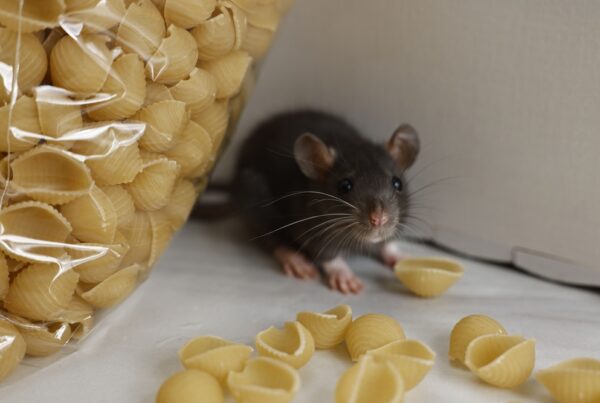
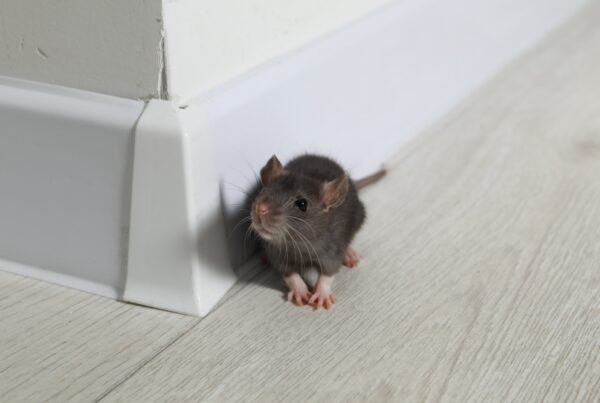
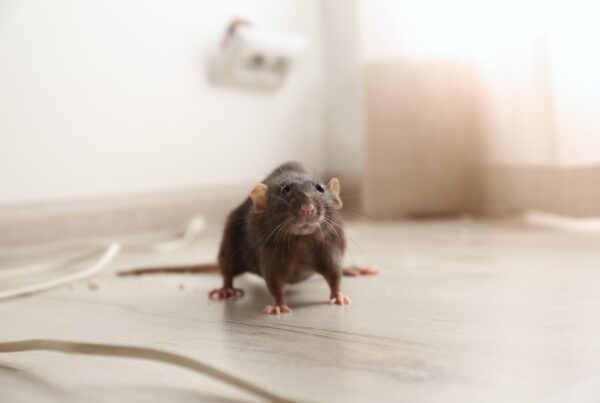
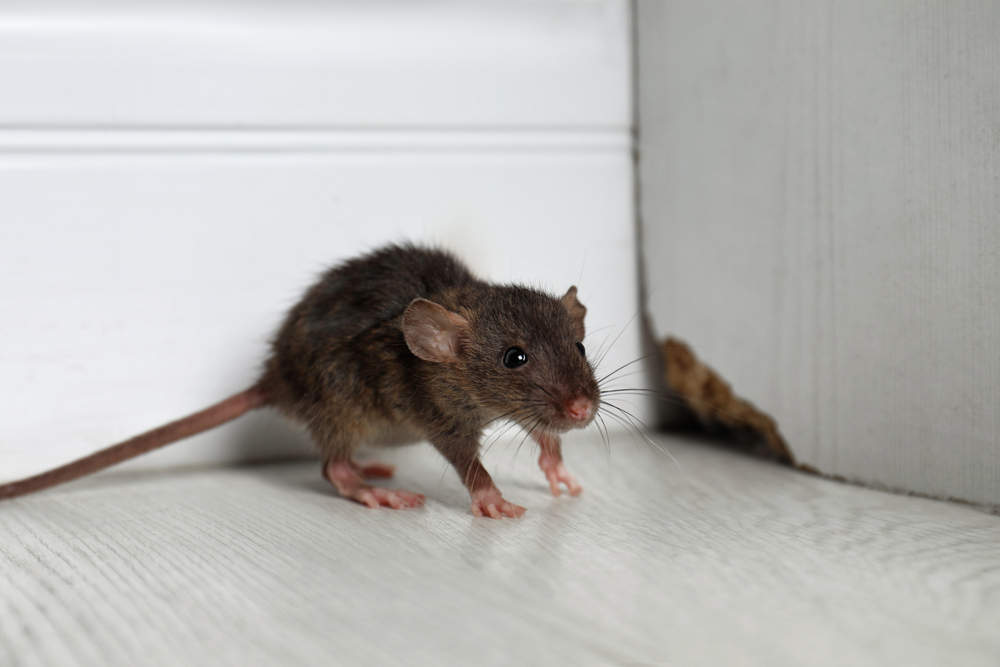
These are the most frequent winter intruders. They are commensal rodents, meaning they partially rely on humans for survival. They are excellent climbers and can enter through foundation cracks, dryer vents, and gaps around utility pipes. Once inside, they can chew through wires, creating a fire hazard, and contaminate food surfaces.
Eastern Gray Squirrels
Squirrels are notorious for finding their way into attics. They look for high entry points, often chewing through fascia boards, soffits, or roof shingles. Once in the attic, they tear up insulation to build nests, which can cause significant structural damage.
Raccoons
Raccoons are strong and intelligent. They have been known to tear off shingles or rip open vents to access an attic or chimney. Raccoons are particularly problematic because they often seek out chimneys as makeshift hollow trees for denning.
Prevention: Fortifying Your Home Against the Cold and Critters
The best offense is a good defense. You don’t want to wait until you hear scratching in the ceiling to call a pest control company. Here are proactive steps homeowners in Framingham and Boston can take.
Seal the Envelope
Inspect the exterior of your home for cracks and gaps. Pay special attention to:
- Where pipes and wires enter the foundation.
- The roofline, specifically where the eaves meet the walls.
- Around windows and doors.
Use steel wool combined with caulking to fill small holes (rodents can’t chew through steel wool). For larger gaps, hardware cloth or metal flashing is recommended.
Manage Waste and Food
Keep garbage cans tightly sealed. If you feed pets indoors, don’t leave bowls out overnight. If you have bird feeders, place them far away from the house, or consider taking them down during the peak of winter if you notice rodent activity nearby.
Chimney Caps and Vent Covers
Install a heavy-duty chimney cap to keep raccoons and squirrels out of the flue. Ensure that your dryer vents and attic vents are covered with pest-proof mesh that allows airflow but blocks entry.
When to Call the Professionals at Pestex
Sometimes, despite your best efforts, nature finds a way in. If you hear scurrying sounds in the walls at night, find droppings in the pantry, or notice gnaw marks on baseboards, it is time to act.
Trying to handle a wildlife infestation on your own can be dangerous and ineffective. Trapping an animal inside your walls without sealing the entry points ensures that new pests will simply take their place. Furthermore, handling wild animals carries the risk of disease.
At Pestex, located right here in Framingham, MA, we understand the specific behaviors of local wildlife. We don’t just remove the pest; we identify how they got in and provide exclusion services to prevent them from returning. Our goal is to restore your peace of mind so you can enjoy the winter season without uninvited guests.
Protect Your Home This Season
Winter in Boston is hard enough without having to share your home with rodents or wildlife. By staying vigilant and sealing up entry points, you can keep the cold and the critters outside where they belong.
If you suspect you have a wildlife issue, don’t let it fester. Contact Pestex today to learn more! Let our experienced team handle the inspection and removal, ensuring your home remains a safe, pest-free sanctuary all winter long.