When you spot a trail of ants marching across your kitchen floor, your first instinct is likely to reach for a can of bug spray. However, treating an ant problem isn’t as simple as applying a generic, off-the-shelf product. In fact, using the wrong treatment can sometimes make your infestation significantly worse.
At Pestex in Framingham, MA, we often receive calls from frustrated homeowners who have spent weeks trying to eliminate an ant colony, only to see the pests return in larger numbers. The missing link in their DIY pest control strategy? Proper ant species identification.
Ants might look identical to the untrained eye, but they are incredibly diverse. Different species have wildly different nesting habits, dietary preferences, and colony sizes. Understanding these differences is the foundation of effective, long-lasting pest control.
Here is a look at some of the most common ant types you might encounter, and why knowing exactly what you are dealing with is the key to getting rid of them.
Common Ant Types and Their Unique Habits
Carpenter Ants
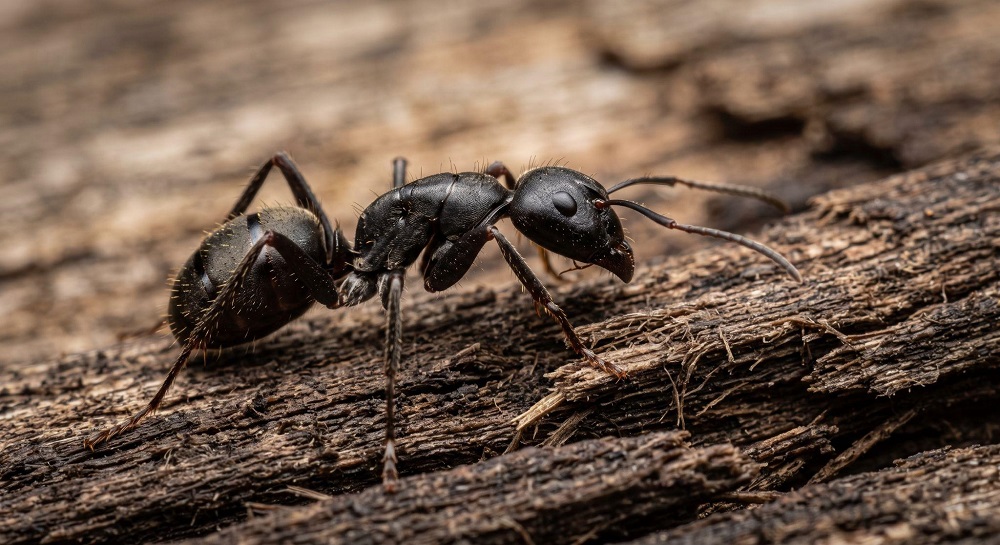
Carpenter ants are one of the most destructive pests a homeowner can face. Unlike termites, they do not eat wood; rather, they excavate it to build their nests. They prefer damp, decaying wood, making areas around leaky pipes, windows, and roof eaves prime real estate for a colony.
- Diet: They feed on a mix of proteins and sugars, including honeydew produced by aphids, meats, and pet food.
- Colony Size: A mature carpenter ant colony can contain 10,000 to 20,000 workers, often consisting of a main parent colony outdoors and several satellite colonies hidden inside your home’s structure.
Pavement Ants
If you see little dirt mounds in the cracks of your driveway, sidewalks, or home foundation, you are likely looking at pavement ants. These small brown or black ants frequently venture indoors foraging for food.
- Nesting Habits: They nest in the soil beneath stones, pavement, and concrete slabs, but will also nest inside walls and under floors.
- Diet: Pavement ants are opportunistic scavengers. They will eat almost anything, including grease, seeds, sweets, and dead insects.
- Colony Size: Their colonies are moderately sized, typically ranging from 3,000 to 4,000 members, with multiple queens.
Pharaoh Ants
Pharaoh ants are tiny, light yellow or translucent pests that are notoriously difficult to control. They are primarily indoor pests, seeking out warm, humid areas.
- Nesting Habits: They build nests in hidden, hard-to-reach places like wall voids, behind baseboards, and even inside electrical outlets.
- Diet: They have a strong preference for sweets, fats, and proteins.
- Colony Size: Pharaoh ant colonies can be massive, containing hundreds of thousands of workers and hundreds of queens. They are highly prone to “budding”—a defense mechanism where the colony splits into multiple new colonies if they feel threatened.
Fire Ants
While more commonly associated with warmer southern climates, fire ants can sometimes be transported in landscaping materials or nursery plants. They are fiercely aggressive and deliver painful, burning stings when disturbed.
- Nesting Habits: Fire ants build large, visible mounds in open, sunny outdoor areas.
- Diet: They are omnivorous, feeding on meat, greasy materials, and sweet substances.
- Colony Size: A single fire ant colony can easily house over 250,000 workers.
Why One-Size-Fits-All Treatments Fail
When you understand the distinct behaviors of these different species, it becomes clear why a single generic treatment spray or bait station won’t work for all of them.
For example, if you use a repellent spray on Pharaoh ants, the queens will sense the danger and initiate budding. The single colony hiding behind your kitchen cabinet will fracture into half a dozen new colonies scattered throughout your home, multiplying your pest problem exponentially.
Baiting also requires scientific precision. Ants change their dietary preferences based on the season and the colony’s current needs. A sugar-based bait might work perfectly for pavement ants in the spring, but a carpenter ant colony focusing on protein to feed its growing larvae will completely ignore it.
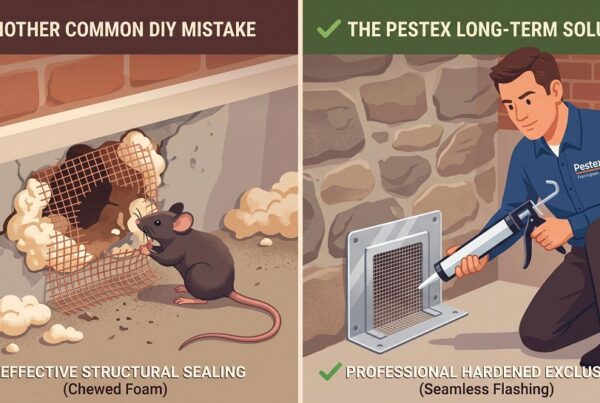
Simply killing the worker ants you see on your counter accomplishes very little. The workers only make up a small fraction of the colony. If you don’t destroy the queen (or queens) hidden deep within the nest, the colony will continuously replenish its numbers. Reaching a pavement ant nest under a concrete slab requires vastly different penetration methods than reaching a carpenter ant satellite nest inside a wooden wall void.
How Professionals Customize Solutions
This is where the expertise of Pestex comes in. Our pest control process always begins with an intensive inspection and precise ant species identification. By identifying the exact type of ant invading your property, we can trace their foraging trails, locate their hidden nests, and understand their current dietary needs.
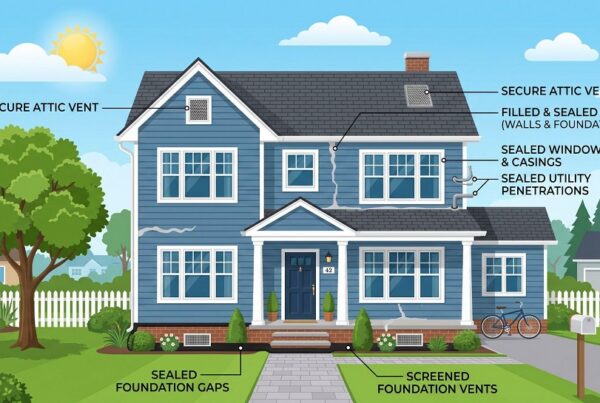
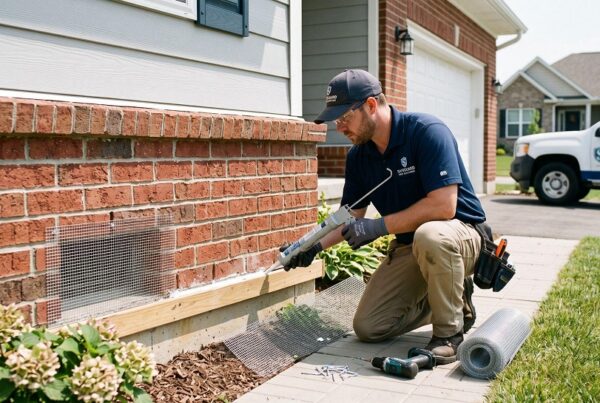
Armed with this knowledge, our technicians deploy customized solutions. We use specialized, non-repellent baits formulated to appeal to the specific species in your home. Worker ants consume these baits and carry them back to the nest, sharing them with the larvae and the queens, effectively destroying the colony from the inside out. We also address conducive conditions—like moisture issues or unsealed entry points—to ensure your property is protected against future invasions.
Contact Us
Don’t let a growing ant colony take over your home or damage your property. If you are dealing with an ant infestation in Framingham, MA, trust the local experts to do the job right the first time.
Contact Pestex today! Call us to schedule a comprehensive inspection and let our team design a customized, long-term elimination strategy tailored specifically to your home.