
Few things are as unsettling as discovering a rodent has made its way into your home. Unfortunately for Boston residents, this is a common problem. The city’s unique combination of historic architecture, dense population, and waterfront location creates the perfect environment for rats and mice to thrive.
Understanding why your home is a target is the first step toward effective prevention. This guide explains why Boston is a hotspot for rodent activity and what you can do to protect your property. We’ll cover the key attractants, common entry points, and practical prevention tips to keep these unwelcome guests out for good.
Why Rodents Love Boston
Boston’s charm comes from its rich history, but its older infrastructure and urban density also make it highly attractive to rodents. Several factors contribute to the city’s persistent pest issues.
Historic and Aging Infrastructure
Many of Boston’s buildings are centuries old. While beautiful, these historic homes and apartment buildings often have structural weaknesses that develop over time. Cracks in the foundation, gaps in siding, and aging pipes create easy entry points for mice and rats. These pests can squeeze through incredibly small openings—a mouse needs only a dime-sized hole, and a rat can fit through a space the size of a quarter.
Urban Density and Abundant Food Sources
Living close together means sharing resources, and unfortunately, that includes food waste. In densely populated neighborhoods, overflowing trash cans and dumpsters provide a reliable feast for rodents. Restaurants, outdoor cafes, and public parks also contribute to the readily available food supply, allowing rodent populations to grow and sustain themselves throughout the year.
Proximity to Water
Boston’s location on the coast and its network of rivers, including the Charles and the Mystic, provide rodents with the water they need to survive. Norway rats, one of the most common species in the area, are excellent swimmers and often live in sewer systems and along waterways. This proximity to water gives them a hidden highway to travel throughout the city and access new areas.
How to Prevent Rodents from Entering Your Home
Now that you know what makes Boston so appealing to rodents, you can take proactive steps to secure your home. Prevention is the most effective form of pest control.
Seal Entry Points
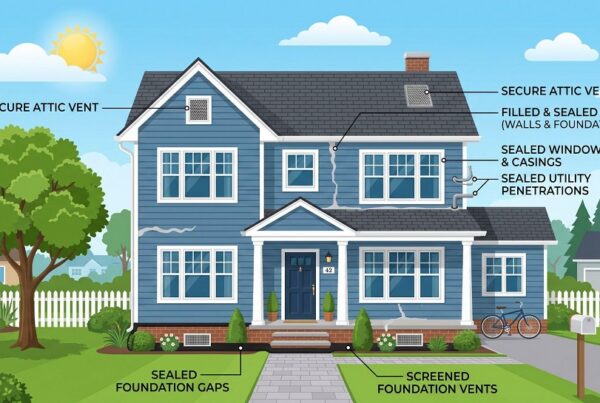
Carefully inspect the exterior of your home for any potential entry points. Pay close attention to the foundation, where pipes and utility lines enter the house, and around windows and doors.
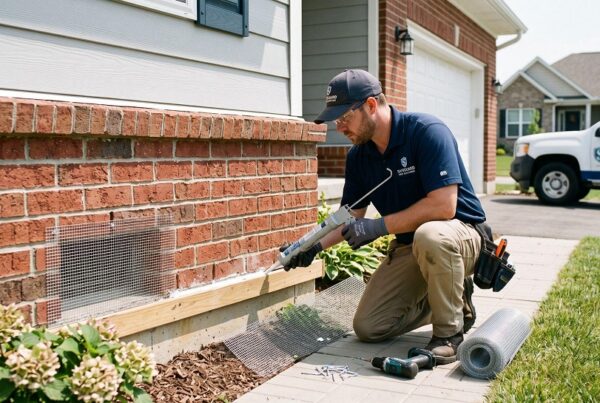
- Use steel wool and caulk to seal small cracks and holes. Steel wool is difficult for rodents to chew through.
- Install door sweeps on exterior doors to close the gap between the door and the threshold.
- Check that vents for your attic and crawl spaces are securely screened.
Eliminate Food and Water Sources
Making your property less attractive is crucial. Rodents are always searching for food, water, and shelter. By limiting their access to these resources, you encourage them to move elsewhere.
- Store all food, including pet food, in airtight containers made of glass or hard plastic.
- Clean up crumbs and spills immediately.
- Fix leaky pipes and faucets to eliminate water sources.
- Keep outdoor trash cans tightly sealed and store them away from your home if possible.
Maintain Your Yard
An unkempt yard can provide excellent shelter for rodents. Regular maintenance can make your property less inviting.
- Keep your lawn mowed and trim overgrown vegetation.
- Store firewood at least 20 feet away from your house and elevate it off the ground.
- Remove debris like leaf piles, old furniture, and construction materials where pests can hide.
When to Call a Professional Pest Control Company
While prevention measures can significantly reduce your risk, sometimes an infestation is too established to handle on your own. If you see signs of rodents—such as droppings, gnaw marks, or nests—it’s time to call a professional pest control company.
DIY methods like traps and baits can provide a temporary fix, but they rarely address the root cause of the problem. A licensed pest control expert can identify all entry points, eliminate the existing population safely, and implement a long-term strategy to prevent future infestations.
Protect Your Home with Pestex
Living in Boston doesn’t mean you have to live with rodents. By understanding the factors that attract them and taking preventative steps, you can keep your home safe and pest-free. Sealing entry points, managing food sources, and maintaining your property are your first lines of defense.
If you’re facing a rodent problem or want professional help to secure your home, don’t hesitate to act.Pestex offers comprehensive pest control solutions for homeowners in the Boston area. Our experienced team can provide a thorough inspection and customized treatment plan to give you peace of mind. Contact us today to learn more.